Lifetime-warranty verified
Automotive Window Tinting on Maui
Make daily driving more comfortable with professionally installed automotive window film selected for your vehicle, appearance preferences and performance goals.
Tinting experience on Maui
Lifetime warranty
Exclusive products
Hawaiʻi Compliance Guidance
A More Comfortable Drive in Maui Conditions
Automotive window film can help control solar heat and glare, reduce UV exposure and protect the appearance of your vehicle’s interior. Eclipse will help you compare options based on how you use the vehicle—not simply how dark you want the glass to look.
Heat control
Choose film designed to reduce solar heat and improve cabin comfort.
Glare control
Reduce harsh sunlight while maintaining appropriate visibility.
UV protection
Ask about films designed to block a high percentage of ultraviolet energy; publish a number only from approved product data.
Interior protection
Help reduce one contributor to fading and deterioration of upholstery and trim.
Appearance
Select a shade and finish that complement the vehicle while remaining compliant.
The Right Film Is More Than a Shade
Glass type, factory privacy glass, film construction, visible-light transmission, heat-rejection performance and appearance all affect the recommendation. Eclipse can explain the differences and help you choose an option suited to your vehicle and priorities.
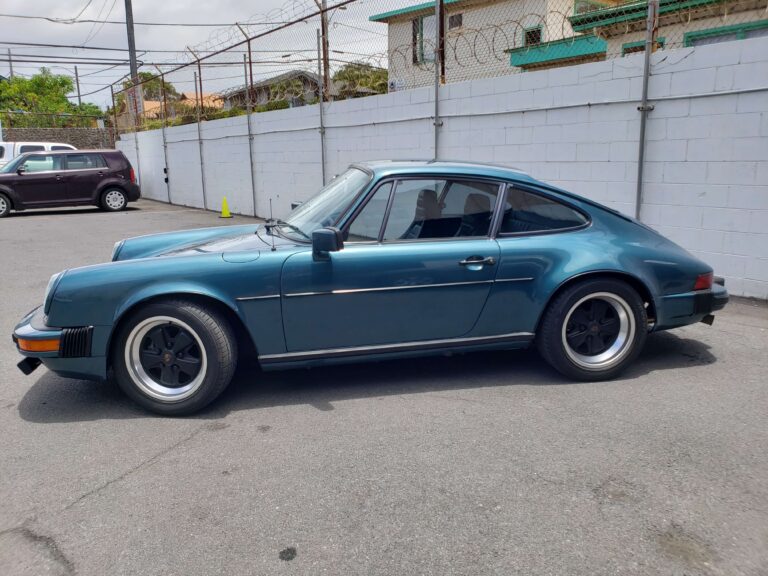
Everyday Comfort
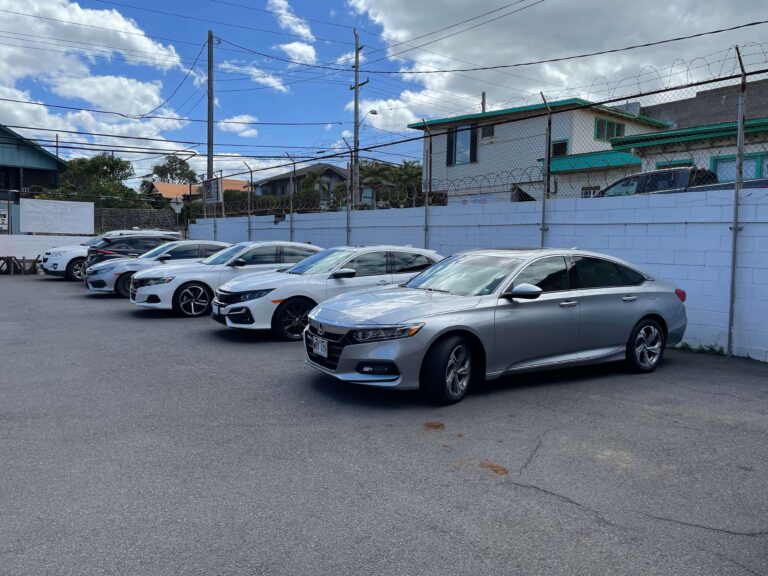
Higher Heat-Rejection Performance
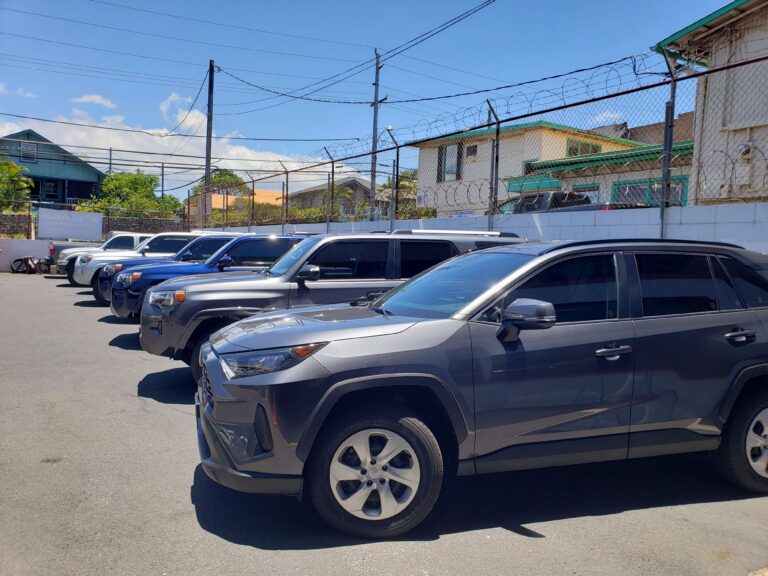
Factory-Glass Upgrade
Automotive Tint and Hawaiʻi Law
Hawaiʻi regulates where sun-screening material may be installed and the amount of visible light that must pass through the combined glass-and-film system. Requirements can vary by window and vehicle type. Eclipse will discuss compliant options and provide required installation documentation when applicable. Laws can change; customers should rely on current official requirements and measured film-and-glass performance.
Read Hawaiʻi Revised Statutes §291-21.5 (official state source)
What to Expect
Tell us about your vehicle
— year, make, model, body style, existing film and windows requested.
Discuss goals and options
— comfort, glare, UV, appearance, privacy and applicable law.
Review the estimate
— scope, selected film and verified warranty terms.
Schedule professional installation
— receive preparation instructions and the owner-approved compliance documentation.
Automotive Window Tinting Questions
Do you tint vehicles throughout Maui County?
Eclipse proudly tints vehicles for drivers from all across Maui at our shop. Buying a vehicle that’s headed to Lānaʻi or Molokaʻi? Ask your car dealership to bring it to our shop for tinting before it goes to the dock, and it will arrive already tinted.
Do I bring my car to your shop, or do you offer mobile tinting?
Every vehicle is tinted at our shop, where the film goes on. Just bring your vehicle to us at your scheduled time.
How long does automotive tint installation take?
On average, tinting an entire vehicle takes about 4 to 5 hours. Times vary depending on the day, the number of vehicles we’re working on and the scope of work, and it can take longer if old tint needs to be removed first. We’ll give you a time estimate when you book.
How much does car window tinting cost?
Price depends on your vehicle, the type of tint you choose and how many windows you tint. We’ll give you a clear quote before any work begins.
What types of automotive window film do you offer?
We offer two Solar Gard films: HP Supreme, a carbon hybrid tint, and Xenith IR, a ceramic tint. Automotive films generally differ in how much heat they block, how dark they look, and how long they hold their color. We’ll explain the options in plain terms and help you pick the one that fits your budget and needs.
What is the difference between ceramic tint and standard tint?
Standard dyed films mainly darken the glass for privacy and glare. Ceramic films, like our Solar Gard Xenith IR, use non-metal particles designed to block more solar heat without needing to be very dark. We also offer Solar Gard HP Supreme, a carbon hybrid film. We’ll show you the manufacturer’s specifications side by side.
Can window film help with Maui heat?
Yes. Window film can reduce the solar heat and glare coming through your glass, which helps keep your car more comfortable in the Maui sun. How much heat it blocks depends on the film type, the shade you choose and your vehicle’s glass, so results differ from car to car. We’ll walk you through our Solar Gard HP Supreme and Xenith IR options and share the manufacturer’s performance specifications for each.
Does tint protect my skin and my car's interior from UV rays?
Yes. All of our window tints block more than 99% of the sun’s UV rays, which helps protect your skin on long drives and slows fading and cracking of your seats and dashboard.
Is factory privacy glass the same as heat-rejecting film?
No. Factory privacy glass is tinted when the glass is made. It darkens the windows for privacy, but on its own it often blocks relatively little solar heat. Heat-rejecting film is applied to the glass and is designed to reduce heat, glare and UV rays. Film can often be added to factory privacy glass for better heat control, as long as the result stays within Hawaiʻi’s legal limits.
How do I choose the right shade for my car?
The right shade balances privacy, heat control, the look you want and how well you can see at night, all within Hawaiʻi law. A darker film is not always cooler; the film type matters as much as the shade. We’ll show you samples on your own glass so you can see the difference.
What tint is legal in Hawaiʻi?
Hawaiʻi limits how dark and how reflective vehicle window tint can be, and the rules are different for sedans than for SUVs, trucks and vans. See our Hawaiʻi Window Tint Laws section for the current requirements. Before installation, Eclipse measures your glass and recommends a film that keeps your vehicle within the law.
Will my tinted car pass the Hawaiʻi safety inspection?
Window tint is one of the items checked during Hawaiʻi’s periodic motor vehicle safety inspection. Because Eclipse measures your glass and recommends film within the legal limits, your tint is installed with inspection in mind. When you legally tint your vehicle with us, you also receive a warranty that shows the tint percentage applied to your vehicle. Contrary to popular belief, there is no standardized state form for this.
Can I get a medical exemption for darker tint?
Hawaiʻi does not currently recognize medical exemptions for window tint under state law or at safety inspection stations, so all vehicles must stay within the standard legal limits. The good news: every tint we offer blocks more than 99% of UV rays, even in lighter, legal shades, so you still get strong sun protection. See our Hawaiʻi Window Tint Laws section for the current requirements.
Can you tint my windshield or sunroof?
If your vehicle’s windshield has an AS-1 line, we tint the windshield strip down to that line. If there is no AS-1 line, the strip can be no more than four inches from the top of the windshield. See our Hawaiʻi Window Tint Laws section for details.
Will tint reduce glare from the low sun on Maui roads?
Yes. Window film cuts glare, which helps when you’re driving into the early-morning or late-afternoon sun on roads like Honoapiʻilani Highway or Piʻilani Highway. Less glare means less squinting and less eye strain on longer drives.
Will darker tint make it hard to see at night?
Very dark film can reduce visibility at night, especially on unlit roads in Upcountry, Hāna or other rural parts of Maui. If you drive often after dark, a lighter heat-rejecting film can give you comfort without giving up visibility. We’ll help you choose.
Will tint interfere with my phone, GPS or radio?
No. Our carbon hybrid and ceramic tints do not interfere with phone, GPS or radio signals.
Can tint help keep my car from being broken into?
Tint makes it harder for people to see valuables inside your car, which can help when you park at beaches, trailheads or busy lots. However, standard tint will not stop a determined thief from breaking a window. Always take valuables with you.
Can you remove old, bubbling or purple tint?
Yes. Old film can bubble, peel or turn purple as its dyes break down in the sun. We carefully remove old tint using a steamer or a water-based solution and single-edge razor blades, then install the new film, since new film should not go over old film.
Will tint damage my rear defroster lines?
Professional installation is done carefully so the film sits over the defroster lines without harming them. Removing old film from a rear window takes extra care, which is one reason we recommend professional removal.
Do you tint trucks, Jeeps, vans, RVs or fleet vehicles?
Larger vehicles and fleets may need extra time, so call us to plan your appointment.
How soon can I roll down my windows?
Please keep your windows rolled up for three days after installation. A little haziness or small water pockets during this time is normal and usually clears as the film cures. Your installer will give you aftercare instructions for your specific film.
How do I clean my tinted windows?
Wait until the film has fully cured, then clean with a soft microfiber cloth and an ammonia-free cleaner. Avoid paper towels, razor blades and rough sponges, which can scratch the film. Be careful with seatbelt buckles and cargo near the windows.
How long will my car tint last?
How long tint lasts depends on the film and how much sun your car gets. Both of our automotive films, Solar Gard HP Supreme and Xenith IR, are made to resist fading, bubbling and peeling and are backed by a limited lifetime warranty.
What warranty applies?
Solar Gard HP Supreme and Xenith IR both come with a limited lifetime warranty that covers peeling, fading and bubbling. If your vehicle is legally tinted, your warranty also shows the tint percentage applied. We’ll review the warranty for your film with you before installation.
Tell Eclipse about your vehicle and what you want the windows to do. We will help identify an appropriate film and next step.